Below is a clear breakdown of how pests enter homes, which pests carry disease, and why early action matters.
How Pests Get Inside Your Home
Pests are opportunistic. If there is a way in, they will find it.
Cracks and Gaps
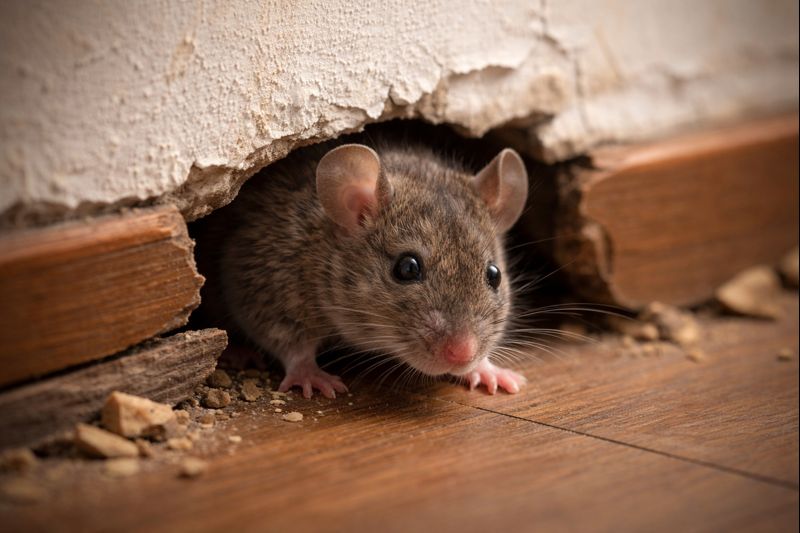
Tiny cracks in foundations, siding, window frames, and walls are enough for ants, cockroaches, spiders, and even mice. A mouse can squeeze through a gap the size of a coin.
Doors and Windows
Poorly sealed doors, worn weather stripping, and open windows allow insects, flies, and rodents easy access, especially at night when indoor lights attract them.
Plumbing and Drains
Sewer lines, sink drains, and floor drains are common entry points. Cockroaches and rodents often travel through plumbing systems directly into kitchens and bathrooms.
Roofs and Attics
Loose roof tiles, broken vents, and attic openings invite rats, squirrels, bats, and birds. Once inside, they nest, chew wiring, and contaminate insulation.
Food and Packaging
Groceries, takeaway containers, pet food, and cardboard boxes can already contain eggs or insects before entering your home.
Common Household Pests and the Diseases They Carry
Pests are not just a nuisance. Many are proven disease vectors.
Rodents (Rats and Mice)
Rodents contaminate food, surfaces, and air through urine and droppings. They are linked to diseases such as:
- Leptospirosis
- Salmonella
- Hantavirus
They also carry fleas and ticks, increasing secondary disease risks.
Cockroaches
Cockroaches thrive in kitchens and bathrooms and move freely between drains, rubbish, and food areas. They are known to spread:
- Salmonella
- E. coli
- Dysentery
They can also worsen asthma and allergies, especially in children.
Mosquitoes
Mosquitoes enter through open windows and doors or breed in standing water around homes. They transmit serious illnesses including:
- Dengue
- Zika
- West Nile virus
Even one breeding site can create a major health risk.
Ants
Ants contaminate food surfaces as they forage. Some species bite or sting, causing allergic reactions or infections when wounds become contaminated.
Termites
Termites do not spread disease directly, but they cause severe structural damage. A weakened home creates entry points for rodents and other disease-carrying pests.
Fleas and Ticks
Often brought in by pets or rodents, these parasites can transmit:
- Lyme disease
- Typhus
- Tapeworms
They multiply rapidly and are difficult to eliminate without professional treatment.
Why DIY Pest Control Is Often Not Enough
Store-bought sprays may kill visible insects, but they do not eliminate nests, breeding sites, or entry points. Pests adapt quickly, hide deep in walls, and return stronger if the root cause is not addressed.
Professional pest control focuses on:
- Identifying entry routes
- Eliminating nests and colonies
- Preventing reinfestation
- Protecting your family's health
Do Not Wait Until It Becomes a Health Problem
Pests rarely arrive alone, and they never leave on their own. The longer they stay, the higher the risk of disease, contamination, and costly damage.
If you suspect pest activity or want to prevent it before it starts, now is the time to act. Call today for professional pest control services and protect your home, your food, and your family's health.